
Exploring the rich history of casinos and their cultural impact
The Origins of Casinos
The concept of casinos dates back to ancient civilizations, where games of chance were prevalent. The earliest known gaming establishments emerged in Italy during the Renaissance, where gambling became a popular leisure activity among the aristocracy. These early casinos, known as ‘ridotto,’ allowed nobles to indulge in games like card play and dice. As people explored various forms of gambling, they also discovered online casinos that accept credit card real money for added convenience. Over time, the idea spread across Europe, evolving into the vibrant gaming houses we recognize today.
By the 19th century, casinos began to gain traction in larger urban areas, particularly in cities like Monte Carlo and Paris. These establishments catered not only to the elite but also to the growing middle class, who sought entertainment and social engagement. This democratization of gambling marked a significant shift in casino culture, laying the groundwork for the modern gaming industry.
The Evolution of Casino Games
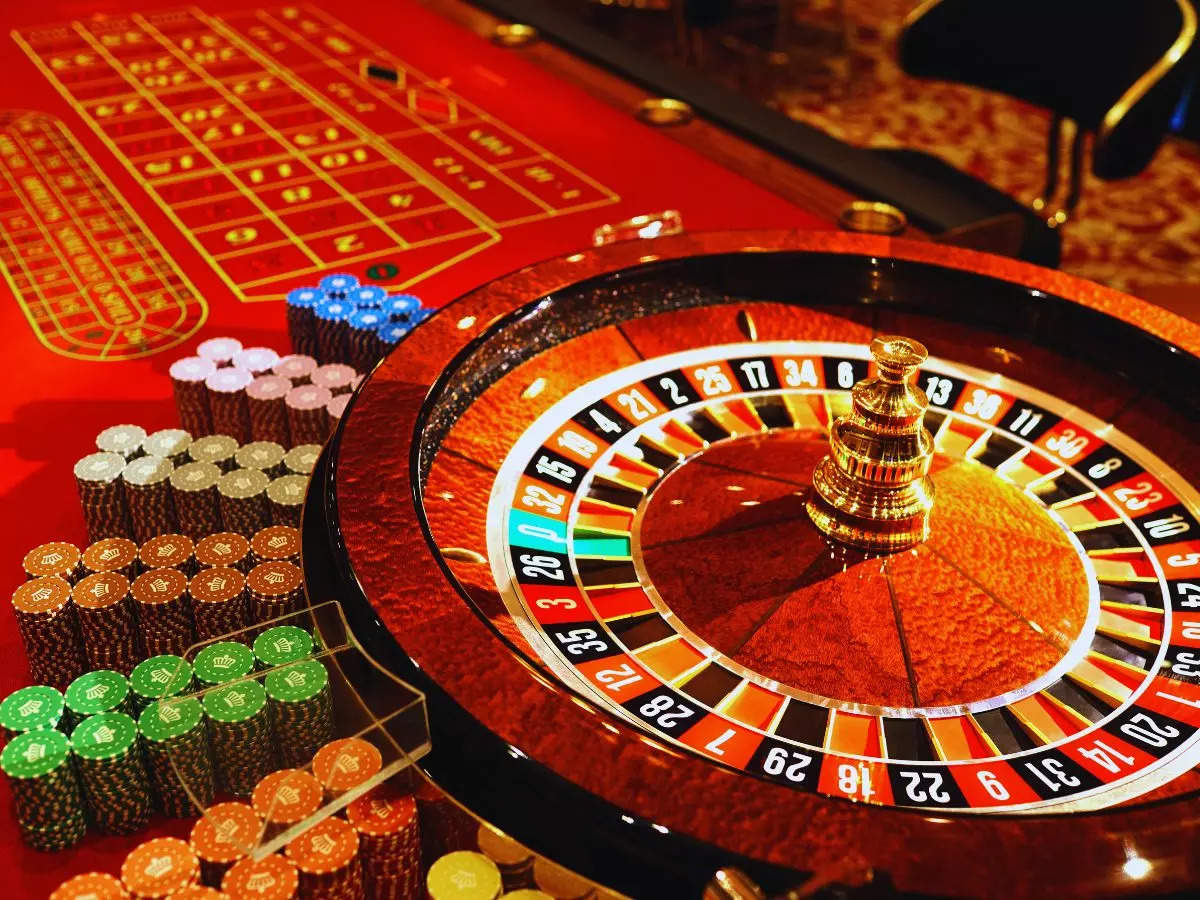
Throughout history, casino games have undergone significant transformation. Classic games like poker, blackjack, and roulette have roots that can be traced back several centuries, each evolving with cultural influences and regional variations. For instance, poker likely originated from French and German games, while roulette combines elements from various European gambling traditions.
The introduction of technology in the 20th century further revolutionized the gaming landscape. The development of electronic gaming machines and online casinos opened new avenues for players, making gambling more accessible. This evolution not only affected the games themselves but also transformed the social environment surrounding casinos, leading to a more dynamic and diverse gaming culture.
The Cultural Significance of Casinos
Casinos have long been intertwined with cultural narratives, often reflecting societal values, economic conditions, and even political climates. In many cultures, casinos represent a space for social interaction, where diverse groups converge to share experiences, celebrate victories, and navigate losses. They serve as microcosms of society, embodying both the thrill of chance and the risks of excess.
Moreover, casinos have influenced art, literature, and film, frequently portraying the allure and danger of gambling. From James Bond’s high-stakes poker games to the bustling scenes in Vegas, casinos have become symbols of glamour and vice, highlighting their complex role in modern culture.
The Economic Impact of Casinos
The establishment of casinos has substantial economic implications for local communities and economies. They generate significant revenue through taxation and create jobs in various sectors, from hospitality to entertainment. The influx of tourists drawn to casinos can also stimulate local businesses, from restaurants to retail shops, fostering growth in the surrounding area.
However, the economic benefits come with challenges, including concerns over gambling addiction and the socio-economic impact on vulnerable populations. Balancing these factors is crucial as communities navigate the complex relationship between the benefits and drawbacks of casino establishments.

Conclusion and Further Exploration
This exploration of the rich history of casinos and their cultural impact reveals a multifaceted industry that continues to evolve. As casinos adapt to new technologies and societal changes, they remain vital cultural and economic hubs. For those interested in delving deeper into the world of casinos, understanding their historical context provides valuable insights into their ongoing significance.
To further enrich your knowledge, stay tuned to our website for in-depth articles, latest industry news, and insights into the future of gaming. We aim to provide comprehensive resources that cater to both novices and seasoned enthusiasts alike.